Laminated doughs are the creme de la creme of pastry, butter- and dough-streaked layers that magically form gossamer flakiness in croissants, Danish pastries and other viennoiserie. It starts by envelopping a cold block of butter in a simple detrempe (flour, water/milk, and fleck of yeast) then follows an orderly sequence of folds that multiply the number of layers exponentially. Every turn has to be made mindfully — maintaining the temperature of everything low enough so that the butter in the dough doesn’t melt into it (which would ruin the clear demarcation necessary for steam to push and pull apart layers as they bake).
Temperature becomes an obsession in this art: Even a small amount of heat may damage the framework. The dough rests in the refrigerator between turns, giving gluten time to relax and butter to firm up again, so edges stay clean and distribution is even. Professional bakers themselves bake in cool environments, but at home patience and planning yield the same results — which means that rolling gently on a chilled surface and never rushing the resting periods pushed potential frustration firmly into the realm of reliable success.
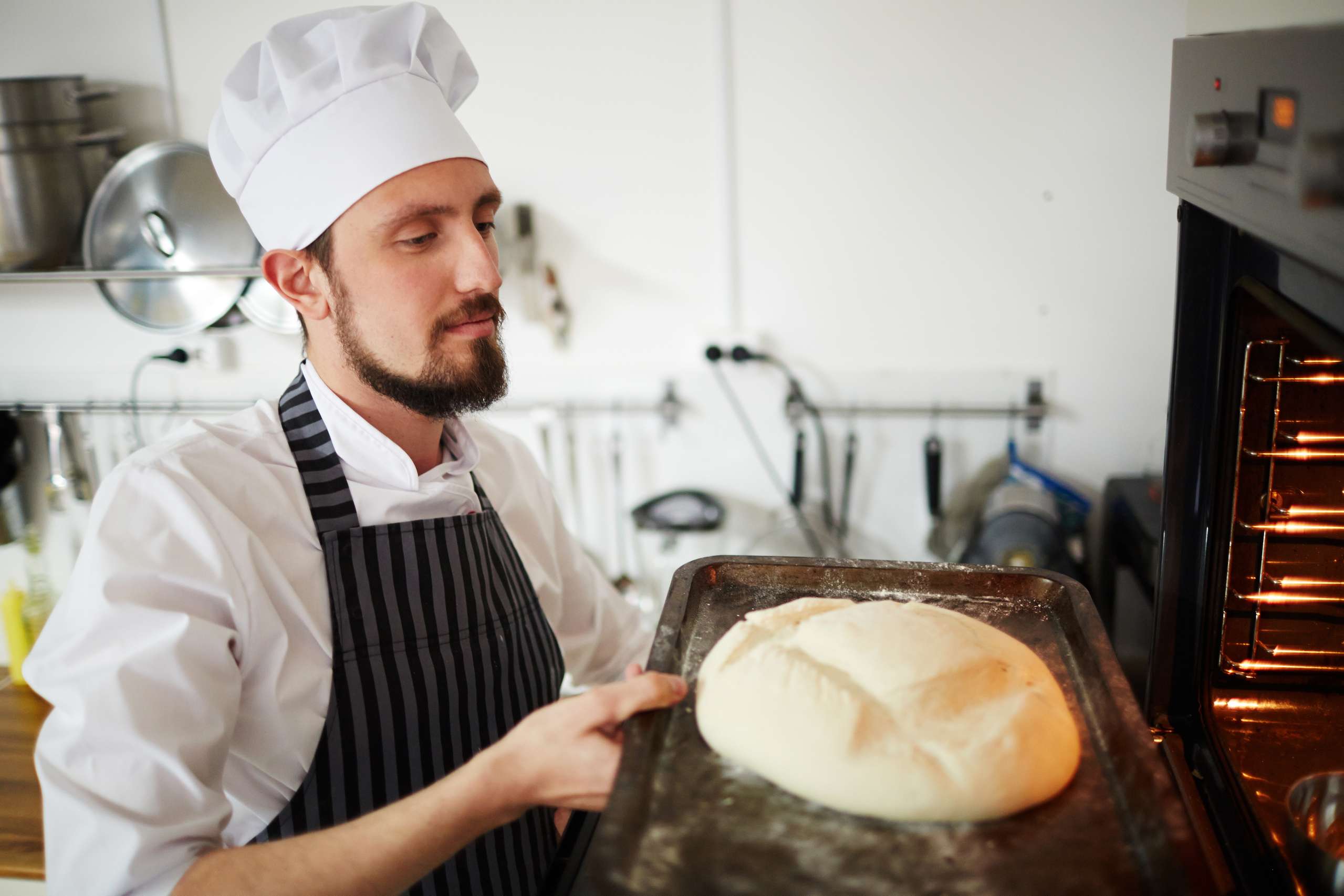
What happens in the oven is nothing short of magic: That trapped moisture turns to steam and we get something called “ovenspring,” where all the layers are forced apart in a dramatic rise. A hot-oven blast of initial steam promotes its lightweight lift and honeycombed interior, as the outside achieves a deep godenness and shattering crispness. That smell wafting through the kitchen — aromatic, toasty, unmistakably buttery — alerts you that hundreds of wisps of pastry have set up just right.
Outside of the classic croissant, there is so much creativity you can apply to laminated dough once one has mastered that base technique. Pain au chocolat are filled with bars of dark chocolate, which melt into pooled pillows of indulgence, while almond croissants have a second life as vessels bearing frangipane and sliced nuts. Seasonal extrapolations could include fruit compotes or savory accoutrements such as cheese and herbs, broadening the scope while still paying homage to the original formula.
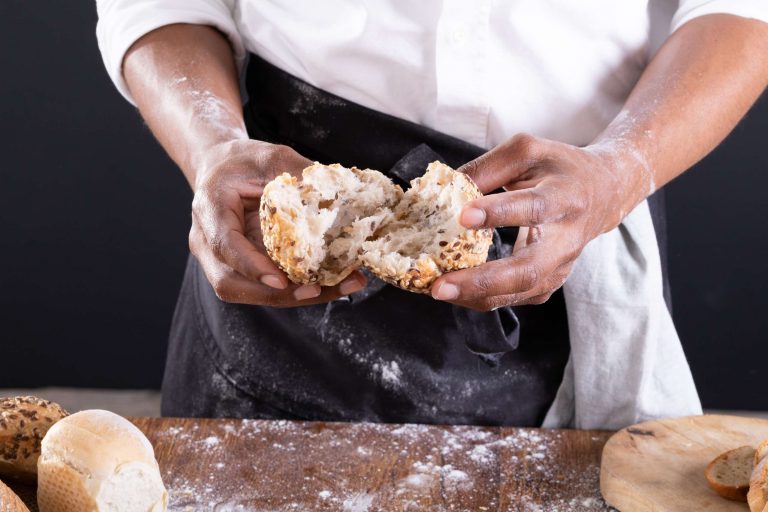
You must practice and honor the process to master laminated doughs, but with every successful batch your confidence, as well as your intuition, grows. The joy in disassembling a warm croissant, steamed wafting and layers flaking into your lap, connects you to a grand lineage of pastry craftsmanship. Over time, what was once intimidating becomes a rewarding ritual, for baking these treats at home produces bakery-worthy results that make our breakfasts and brunches (and minutes alone with our coffee) feel really special.