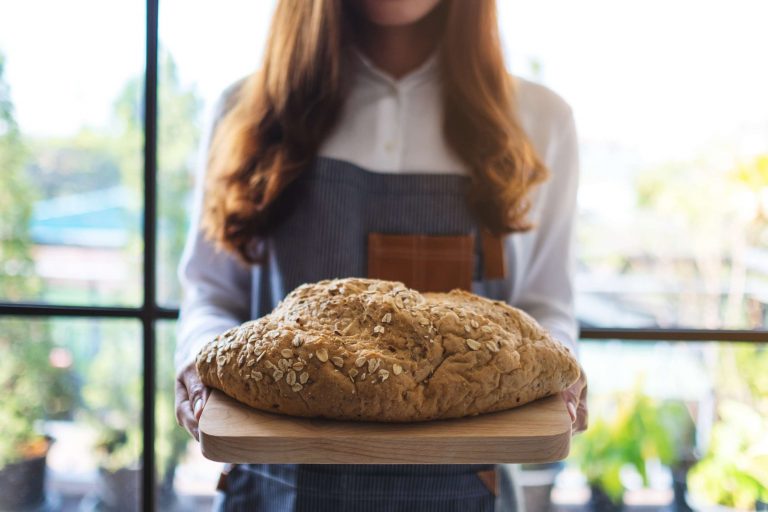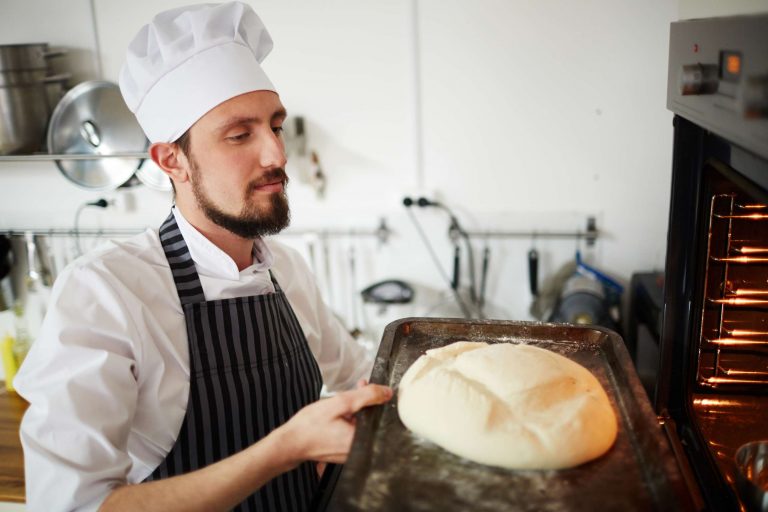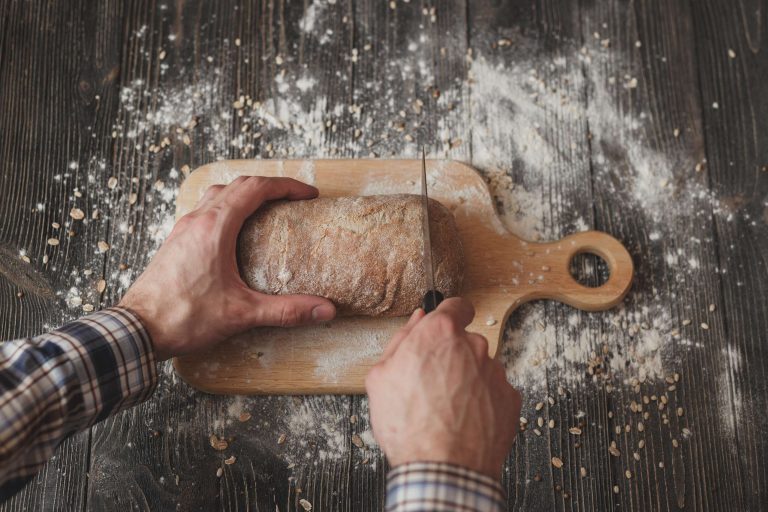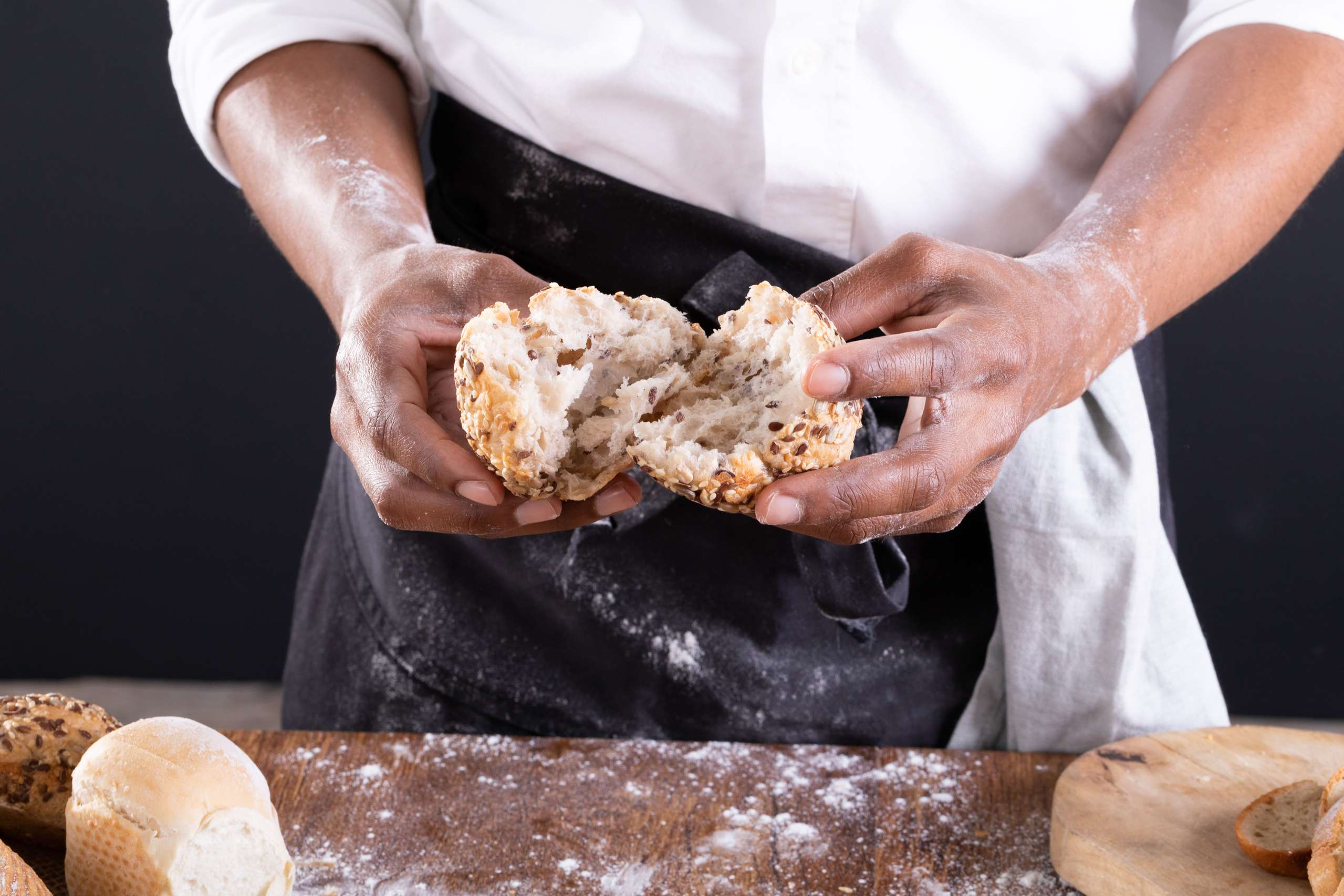
With the addition of seeds, grains and other inclusions, bread becomes a new universe of texture, flavor and nutrients that turns an ordinary loaf of crusty boule into something special. These add crunch, nuttiness, and faint earthiness that enhances the natural tang of sourdough or the warmth of enriched doughs. The secret is in selecting compatible pairings and adding them judiciously, so that instead of overpowering the base dough, you’re building it up — giving every element a chance to do its job as part of a well-balanced team.
You’ll definitely need to soak for most add-ins because otherwise, the dry seeds or grains can leach water from your dough which means potential dry spots or lack of full rise. The overnight soakers or scalds told me to soften oats, rye chops, flax seeds; make the flavors more releasable and integrable. Toasted seeds — sesame, pumpkin or sunflower are all lovely here — take on a deeper aroma before being folded into the dough; herbs like rosemary or fennel bring aromatic lift when used more sparingly.
Structure and distribution are necessarily influenced by the timing of inclusion. Delicate seeds deposited in one of the final sets of folds hold their shape and result in even pockets throughout the crumb, while heartier grains added earlier will be more fully integrated for uniform texture. Multigrain loafs usually have a handful of soaked elements added to some whole grain flours resulting in an intense bread with beautiful toast and that will get you through the day.
When there’s a strong foundation for cooking techniques, creative pairings offer welcome experimentation. Olive and rosemary allude to Mediterranean warmth, while honey and walnut provide gentle sweetness to counter sourdough’s acidity. Dried fruits like cranberries or apricots find their perfect match with nuts in a rich loaf of bread, and that’s festive enough for any celebration. Savory blends like cheese and black pepper or roasted garlic provide more aggressive options that extend the role of bread beyond an accompaniment.
It’s the part of flavored breads that speaks loudest to me, personally: because they’re specific and personal — every baker arrives at their own signature combination based on taste and season. These loaves are conversation starters at the table, forcing others to recognize the layers of thought and care baked within. Through practice adding inclusions goes from timid addition to confident expression enabling you to make bread that is not only deeply nourishing but delightful and varied to chew on.